Sports Medicine bridges the gap between science and practice in the promotion of exercise and health, and in the scientific assessment, study and understanding of sports performance. Regular features include: sports injury prevention and treatment; exercise for health; drugs in sport and recommendations for training and nutrition.
What are Sports Injuries?
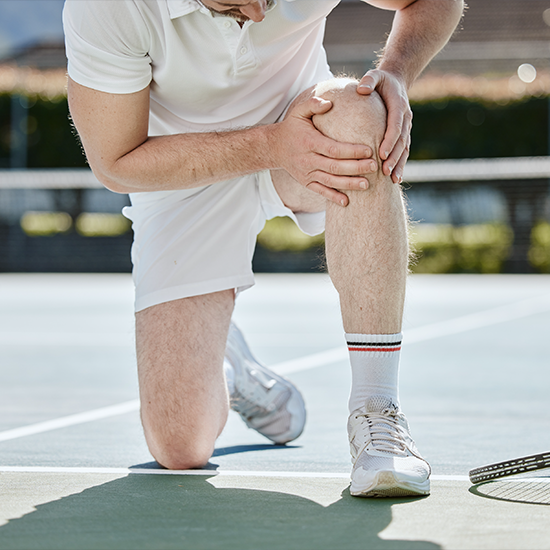
Sports injuries can occur during athletic activities, practices, or exercises.
Causes of Sports Injuries
- an accident – such as a fall or heavy blow.
- not warming up properly before exercising.
- using inappropriate equipment or poor technique.
- pushing yourself too hard.

Symptoms of Sports Injuries
Some of the common symptoms of sports injuries include:
- Sudden, severe pain.
- Extreme swelling or bruising.
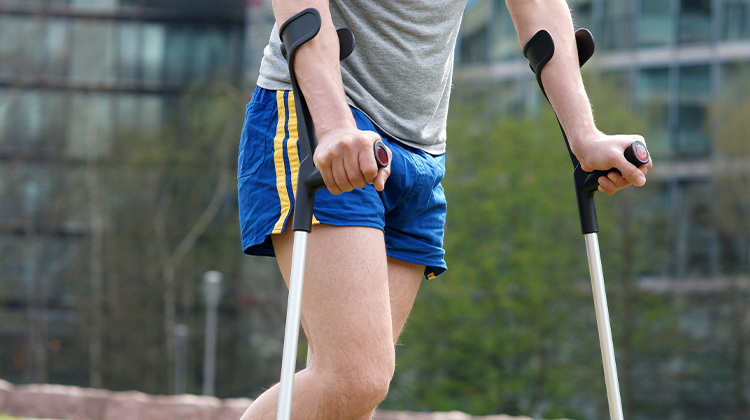
- Not being able to place weight on a leg, knee, ankle, or foot.
- Not being able to move a joint normally.
- Extreme weakness of an injured limb.
- A bone or joint that is visibly out of place.
Diagnosis of Sports Injuries
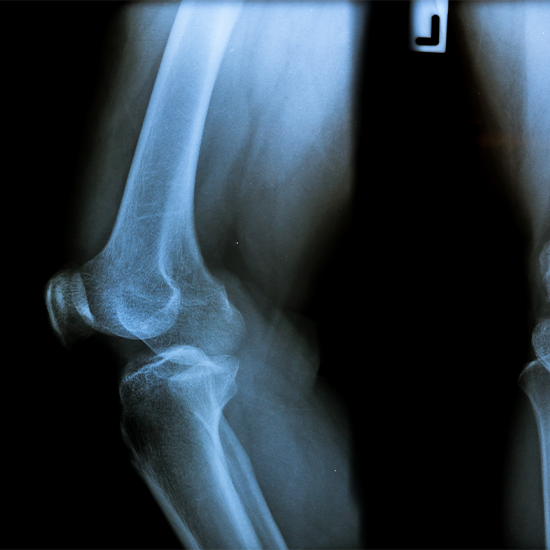
Examine the injured area. Order imaging tests such as x-ray or magnetic resonance imaging (MRI) scans to evaluate the bones and soft tissues.
When you suffer an injury during sports events, never try to continue the activity in pain because it may cause further harm. Some injuries may require prompt attention by a doctor, while others can be treated at home with rest, application of ice.
You should seek medical treatment if:
- The injury is causing severe pain, swelling, or numbness.
- You are not able to put any weight on the injured area.
- The pain or dull ache of an old injury has increased along with swelling and joint instability.
If you do not have any of the symptoms mentioned above, you can adopt self-care treatment at home. You should follow the RICE method immediately after injury to relieve pain and inflammation. These steps should continue for at least 48 hours.
- Rest: You should take rest from regular exercises or daily activities as needed.
- Ice: Apply an ice pack over the injured area for 20 minutes at a time. This should be done four to eight times a day. A cold pack, ice bag, or plastic bag filled with crushed ice and wrapped in a towel can be used.
- Compression: Compress the injured area with elastic wraps, special boots, air casts, and splints. This helps to reduce swelling.
- Elevation: Keep the injured elbow or wrist elevated on a pillow, above the level of the heart. This is to help decrease swelling.